
Germany’s drive to confirm the EU- Vietnam Investment Protection Agreement( EVIPA) marks an advised step toward heightening profitable ties with Southeast Asia, reflecting Berlin’s broader strategic reorientation amid rising global misgivings. In a period defined by geopolitical turbulence from the prolonged Russia- Ukraine conflict dismembering energy inventories to enhancing U.S.- China contest reshaping global force chains Germany finds itself impelled to diversify its hookups beyond traditional Western abettors and overreliance on the Chinese request.
The EVIPA, provisionally applied since August 2020 but awaiting full ratification by all EU member countries, represents a vital moment in this pivot. By submitting the agreement to the Bundestag for blessing in July 2025, following Federal Cabinet countersign, Germany signals its intent to secure long- term investment protections in Vietnam, a Southeast Asian hustler passing rapid-fire industrialization and demographic tips.
By fortifying legal safeguards for Mittelstand enterprises venturing into dynamic requests, Berlin not only secures growth avenues but also advances a vision of sustainable, complementary globalization. This advised Asia pivot amid domestic debates over budget constraints and coalition fractures positions Germany as a visionary shaper of the rules- grounded order in the world’s most vibrant profitable theater, promising adaptability against unborn shocks while fostering invention through international collaboration.
Ratification timeline
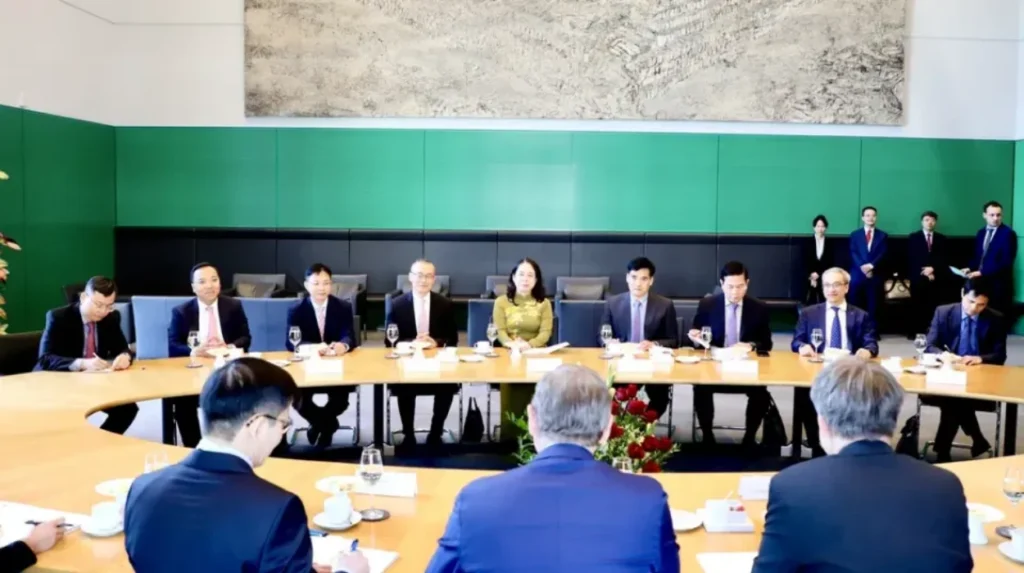
Germany submitted EVIPA to the Bundestag for ratification on July 23, 2025, following blessing by the Federal Cabinet at its 11th meeting. This action complements the EU’s free trade agreements with Vietnam( effective 2020) and Singapore( 2019), aiming to bolster investment security in dynamic Asian requests. Vietnamese State Vice President Võ Thị Ánh Xuân’s July addresses in Berlin with Bundestag Vice President Bodo Ramelow accelerated consultations, signaling administrative instigation for blessing. EVIPA, provisionally applied since 2020, now awaits full ratification by all EU countries, with Germany’s leadership vital due to its profitable heft.
The process builds on times of concession; the European Parliament approved EVIPA alongside the EU- Vietnam FTA in February 2020. Detainments stemmed from public ratifications, but Germany’s 2025 action reflects renewed urgency amid force chain diversification. German businesses, Vietnam’s largest European trading mates, have long supported this, viewing it as essential for long- term investments. Once ratified, EVIPA introduces an ultramodern investment court system, replacing bilateral covenants and enhancing disagreement resolution translucency.
Economic foundations
Bilateral trade between Germany and Vietnam exceeds €10 billion annually, growing over 10 yearly, with Vietnam as Germany’s top Southeast Asian mate. reciprocal husbandry drive this Vietnam excels in light assiduity, agri- foods, and digital services, while Germany dominates ministry, clean energy, and heavy manufacturing. The EVFTA has boosted Vietnamese exports to Germany by easing tariff reductions, yet investment protections lagged without EVIPA’s full force.
Germany’s import- driven model benefits from Vietnam’s youthful pool and strategic position in Indo- Pacific force chains. Vietnamese enterprises gain access to German technology transfers in renewables and logistics, aligning with Hanoi’s green growth intentions. Post-ratification, EVIPA is projected to attract €5- 10 billion in new German FDI over five times, fastening on sustainable sectors. This collective complementarity mitigates pitfalls from over-reliance on China, situating Vietnam as a trade-risking mecca.
Strategic Asia pivot
Germany’s EVIPA ratification signals a deliberate Indo-Pacific turn, echoing its 2020 Indo-Pacific Guidelines that prioritize diversified partnerships. Amid US-China tensions and Russia’s Ukraine invasion, Berlin seeks to counterbalance dependencies through ASEAN engagement. Vietnam, with its rising geopolitical weight, offers Berlin a foothold in a region accounting for 60% of global GDP growth.
This pivot extends beyond economics; it includes security dialogues and multilateral forums like EU-ASEAN Strategic Partnership, upgraded under Germany’s 2020 EU Presidency. EVIPA complements broader efforts, such as enhanced ties with Japan and Australia, framing Asia as vital for Germany’s rules-based order advocacy. Critics note this as an implicit hedge against China’s regional dominance, though Berlin emphasizes multilateralism. Vietnam’s neutral stance in great-power rivalries makes it an ideal partner for Germany’s “de-risking” without full decoupling.
Investment protection details
EVIPA establishes a permanent Investment Tribunal, featuring 15 independent judges for transparent arbitration, surpassing traditional investor-state dispute settlement (ISDS) flaws. It prohibits investor claims over public health or environmental regulations, aligning with EU sustainability standards. For German firms, this safeguards assets in Vietnam’s volatile markets; for Vietnamese investors, it opens EU doors with fair recourse.
Provisional application since 2020 has already mediated disputes amicably, proving efficacy. Ratification unlocks full benefits, including appellate mechanisms absent in older treaties Germany phases out. Key provisions mandate ethical investor conduct, barring subsidies or human rights abusers from protections. This framework reassures stakeholders, with German chambers estimating 20% FDI growth post-ratification.
Geopolitical context
EVIPA occurs amid heightened Indo-Pacific stakes, where Germany counters China’s Belt and Road through value-based partnerships. Vietnam’s supply chain role amplifies its appeal, especially as German autos and chemicals seek alternatives to Xinjiang inputs. Berlin’s moves align with NATO’s Asia outreach and Quad dialogues, indirectly supporting freedom of navigation.
Hanoi welcomes this as validation of its bamboo diplomacy, balancing powers while modernizing. EU-wide ratification lags due to concerns over Vietnam’s labor rights, but Germany’s advocacy tied to development aid pressures progress. Broader EU-ASEAN ties, including digital and green pacts, frame EVIPA as a connectivity pillar. Risks persist: US tariffs under President Trump could disrupt chains, yet EVIPA’s resilience mechanisms buffer this.
Broader implications
Ratification catalyzes €20 billion in cumulative EU-Vietnam investments by 2030, per projections, spurring jobs in German Mittelstand firms’ Vietnamese plants. Sectors like semiconductors and EVs benefit most, with Bosch and Siemens expanding. Sustainability clauses enforce ESG compliance, aiding Germany’s net-zero goals via Vietnamese solar and wind projects.
For Vietnam, EVIPA elevates FDI quality, fostering tech transfer over low-end assembly. Regionally, it models EU-ASEAN integration, pressuring laggard ratifiers like France. Globally, it exemplifies post-Lisbon EU trade policy evolution, blending market access with protections. Challenges include enforcement capacity; Vietnam must judicially reform to fully leverage gains.
Germany’s step reaffirms Asia’s centrality to its export economy, projected to source 30% of imports from Indo-Pacific by 2030. This pivot enhances resilience against shocks, from pandemics to protectionism. Ultimately, EVIPA fortifies a strategic axis, blending economics with security for mutual prosperity.