
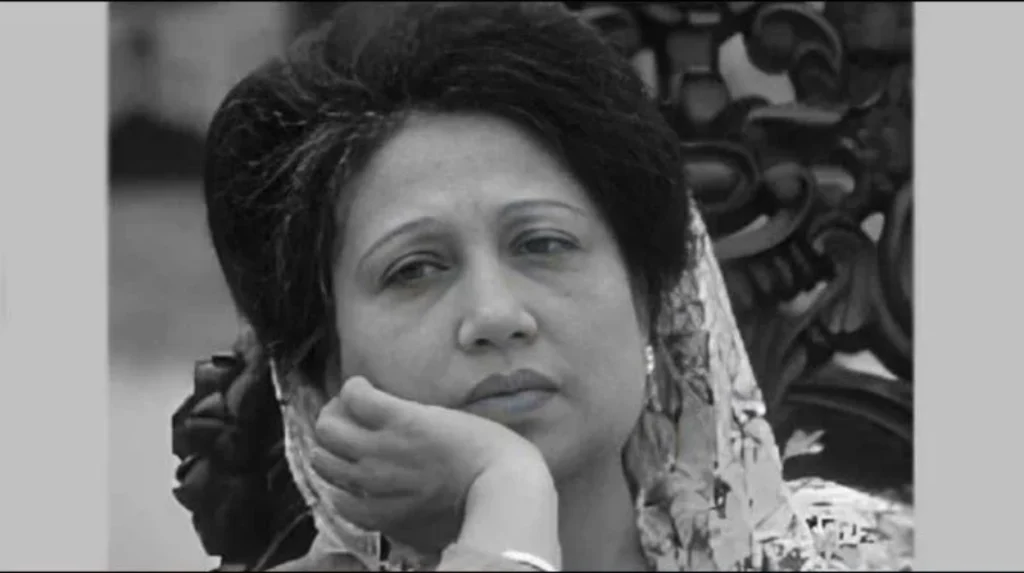
Begum Khaleda Zia, Bangladesh’s first female prime minister and longstanding leader of the Bangladesh Nationalist Party (BNP), passed away on December 30, 2025, at age 80 after prolonged illness, prompting the German Embassy in Dhaka to issue condolences on Tuesday, highlighting her enduring international stature. This gesture underscores Germany’s diplomatic engagement with Bangladesh amid political transitions following the 2024 uprising. Her death reignites discussions on her legacy in advancing women’s leadership and democracy, while complicating interim governance ahead of February 2026 elections.
Circumstances of death and embassy response
Begum Khaleda Zia succumbed to complications from chronic ailments including liver cirrhosis, arthritis, diabetes, and heart issues at Evercare Hospital in Dhaka, where she had been critically ill since late November 2025 and on life support in her final days. The BNP announced her passing at 6:00 AM local time on December 30, just after Fajr prayer, declaring a week of national mourning with black flags at party offices and special prayers nationwide. She received a state funeral and was buried beside her husband, Ziaur Rahman, at Zia Udyan, with the government designating her a VVIP and deploying special security.
Khaleda Zia’s medical trajectory had been public knowledge: hospitalized repeatedly since 2019, she was granted conditional releases on humanitarian grounds in 2020 and fully freed in August 2024 after student-led protests toppled the Awami League (AL). Acquitted of graft charges by November 27, 2024, she traveled to the UK for treatment in early 2025 before returning, positioning her for a BNP resurgence.
The German Embassy’s prompt condolences issued the same day echo similar expressions from India’s Narendra Modi, who hoped her “vision and legacy” would guide bilateral ties, though strained by Hasina’s exile in India. Catholic communities in Bangladesh, noting her education at St. Joseph’s School, also mourned her as a lifelong ally in girls’ education advocacy. This collective response frames her death not just as a BNP loss but a national milestone, with the embassy’s note emphasizing her trailblazing role as the second female leader in the Muslim world after Benazir Bhutto.
Political legacy and achievements
Khaleda Zia served as prime minister from 1991-1996 and 2001-2006, steering Bangladesh through economic liberalization and infrastructure booms that laid foundations for its garment export dominance. As BNP chairperson since 1984, she championed alternating democracy with rival Hasina, institutionalizing caretaker governments until their 2011 abolition amid AL dominance. Her tenure saw GDP growth averaging 5-6% annually, poverty reduction from 56% to 40%, and women’s empowerment via microcredit expansions inspired by Yunus’s Grameen Bank model. Internationally, she strengthened ties with the West, securing EU trade preferences and US aid for democratization, while navigating SAARC and OIC dynamics. Critics acknowledge her resilience against military interventions post-Ziaur Rahman’s 1981 assassination, which she avenged politically by ousting Ershad in 1990. Yunus’s eulogy praised her for “liberating the country from undemocratic regimes,” crediting her with fostering public demands for freedom that echoed in 2024’s uprising.
Her legacy intertwines with Bangladesh’s Islamist-nationalist strands: promoting Bengali-Islamic identity via education reforms and heart infrastructure like the Jamuna Bridge, completed under her watch. As the first woman to lead a Muslim-majority nation after Pakistan’s Bhutto, Zia symbolized conservative feminism veiled yet authoritatively empowering rural women through BNP’s grassroots networks. Economically, her privatization drives attracted FDI, positioning Bangladesh as an Asian tiger cub, though marred by corruption allegations she decried as political vendettas. In opposition from 2009-2024, her house arrest under Hasina galvanized BNP boycotts and street protests, culminating in the AL’s fall. The German Embassy’s recognition implicitly endorses this narrative of steadfast leadership, contrasting Hasina’s authoritarian drift.
Rivalries and imprisonments
Zia’s career was defined by a bitter feud with Sheikh Hasina, daughter of Bangladesh’s founder Mujibur Rahman, birthing the “battle of the begums” that polarized politics for three decades. Alternating power BNP in 1991, AL in 1996, BNP in 2001, AL from 2009 degenerated into vendettas: Hasina jailed Zia in 2018 on corruption charges Zia called fabricated, sentencing her to 17 years amid rigged polls. A 2007 military-backed caretaker regime had earlier detained both on graft, enforcing asset declarations but deepening mutual distrust. Hasina’s 2024 ouster via student protests freed Zia in January 2025, though Hasina now facing death penalty in absentia posted prayers for Zia’s soul from exile, a rare conciliatory note. This rivalry stifled reforms, with BNP accusing AL of Islamophobia and AL branding BNP Islamist extremists allied to Jamaat-e-Islami.
Imprisonments underscored gendered authoritarianism: Zia’s 2018-2024 detention, despite terminal illnesses, drew global human rights outcry from Amnesty and HRW, pressuring for her compassionate release. Post-freedom, she plotted BNP’s electoral comeback, with son Tarique Rahman returning from London exile poised as successor. The German Embassy’s condolences navigate this minefield neutrally, focusing on her premiership without referencing feuds, signaling Berlin’s interest in stable transitions over factionalism. Zia’s passing denies Hasina’s camp a foil but burdens BNP with her symbolic void ahead of polls.
International relations and German ties
Germany, Bangladesh’s top EU trade partner with €5 billion annual bilateral volume dominated by RMG exports, valued Zia’s pro-market stance that integrated Dhaka into GSP+ preferences. The embassy’s condolences affirm this: Dhaka’s mission has hosted German presidents and fostered vocational training via GIZ, with Zia’s era seeing dual-degree programs and development aid surges. Post-2024, Berlin backed Yunus’s interim government with €100 million pledges for elections, viewing Zia’s death as a BNP consolidation moment. Her UK treatments and Modi’s tribute highlight broader Western-South Asian condolences, but Germany stands out for its embassy-level promptness, reflecting Dhaka’s geopolitical pivot from Hasina’s India tilt.
Zia’s foreign policy balanced superpowers: courting US post-9/11 against terror labels, while aiding Rohingya repatriation talks with Myanmar. German firms like Bayer and Siemens thrived under her FDI incentives, and her Catholic school ties fostered minority dialogues, earning church praises. The embassy statement positions Germany as a neutral mourner, potentially eyeing BNP’s Tarique for renewed partnerships if victorious.
Domestic reactions and mourning
BNP’s mourning mobilized millions: processions in Dhaka, Chattogram, black armbands, and prayers in mosques worldwide, with Tarique leading eulogies on her “motherly” democracy dedication. Crowds surged to Evercare Hospital post-announcement, and state honors bridged interim divides. Yunus decreed national holidays, while AL remnants prayed remotely, hinting fragile unity. Catholic leaders lauded her girls’ education push, and student activists who freed her reflected on her anti-dictatorship inspiration. Violence risks loomed, with Hindu-targeted attacks post-Hasina raising BNP moderation calls.
Public sentiment mixed reverence with critique: admirers hailed her resilience, detractors her 2001 anti-minority riots oversight. Social media trended #BegumKhaledaZia, amplifying her as “national mother.”
Implications for Bangladesh’s future
Zia’s death vaults Tarique into BNP primacy, challenging Yunus’s interim to ensure fair February 13, 2026, polls amid AL bans and Jamaat alliances. BNP eyes power return, promising anti-corruption probes into Hasina era, but risks Islamist drifts alienating secular youth. Economically, stability hinges on RMG resilience, with German trade as anchor. Her legacy tests democracy: will begums’ era yield inclusive governance? Embassy condolences signal international buy-in for orderly transitions.