
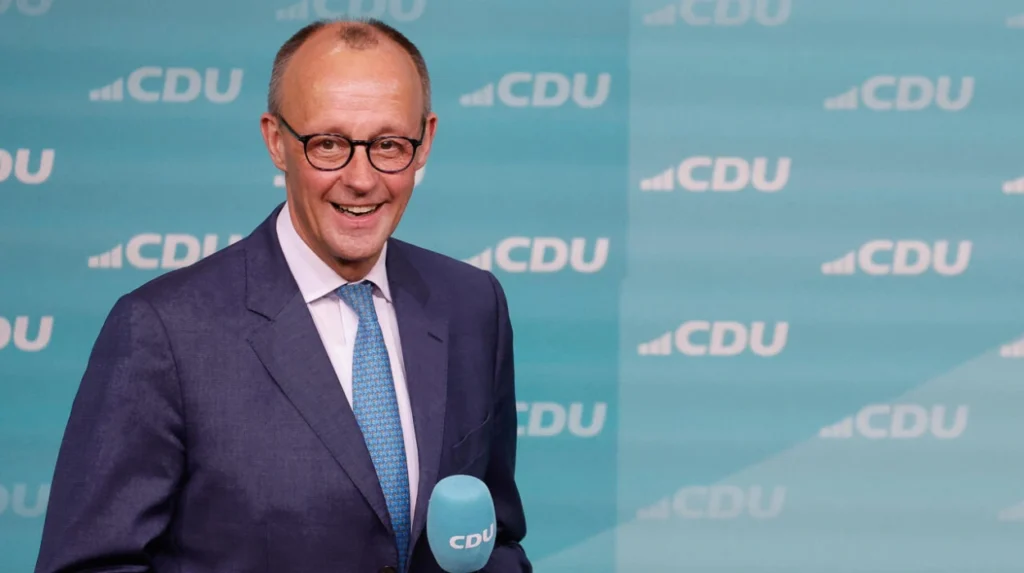
Chancellor Friedrich Merz delivered his New Year’s address on December 31, 2025, outlining a comprehensive vision for Germany in 2026 amid escalating global challenges. He emphasized themes like the Ukraine war, defense spending hikes, shifting US relations, technological shifts, industrial woes, and migration pressures, framing them as opportunities for renewal.
Optimistic renewal vision
Merz opened his address by proclaiming 2026 as a “year of new beginnings” for Germany, a deliberate pivot from the economic and geopolitical turbulence of prior years. This rhetoric signals his center-right coalition’s ambition to implement sweeping reforms, contrasting with the perceived inertia under the previous Scholz government. By invoking national resilience, Merz aims to unify a polarized public facing inflation, energy crises, and security threats.
The chancellor’s optimism builds on Germany’s historical capacity for transformation, such as the post-Cold War reunification under Kohl. He positions 2026 as a “Zeitwende 2.0,” echoing Scholz’s 2022 term but with more urgency, promising deregulation and investment to spur growth projected at 1.5% by IMF estimates. Critics from the Greens and SPD argue this downplays structural deficits, yet Merz’s framing resonates in polls showing 52% approval for bold change.
Merz ties renewal to societal cohesion, urging Germans to embrace “courageous decisions” amid global fragmentation. This holistic approach integrates foreign policy with domestic revival, setting the stage for his policy cascade. References to past successes, like the 2022 energy pivot, underscore feasibility despite fiscal constraints from the debt brake.
Ukraine war imperative
Merz devoted significant airtime to the Ukraine war, now in its fourth year, stressing its direct threat to European security and Germany’s interests. He reaffirmed Berlin’s €30 billion aid commitment, including Taurus missiles withheld previously, as essential to prevent Russian advances toward NATO borders. This stance reflects Merz’s hawkish evolution, prioritizing Kyiv’s victory over quick ceasefires favored by some in his CDU base.
The address highlights recent escalations, such as Russia’s 2025 winter offensive and Ukraine’s drone strikes on Crimea, demanding sustained German leadership. Merz critiques EU hesitancy on sanctions enforcement, advocating full implementation of the 14th package targeting Russia’s shadow fleet. Analysts note this aligns with NATO’s Vilnius commitments, positioning Germany as Europe’s payer and player.
Domestically, Merz links Ukraine to energy independence, crediting LNG terminals for averting blackouts. He warns of hybrid threats like disinformation campaigns amplified by AfD sympathizers, urging media literacy. This comprehensive framing justifies sacrifices, with public support for aid at 68% per Forsa polls, though fatigue grows among eastern states.
Defense spending surge
Increased defense spending forms the address’s backbone, with Merz pledging 3% of GDP by 2028 €140 billion annually via a special fund extension and tax reforms. This exceeds NATO’s 2% goal, addressing Bundeswehr shortages in tanks, air defenses, and munitions exposed by Ukraine aid. Merz frames it as an investment yielding 250,000 jobs in high-tech sectors like Rheinmetall’s expansions.
The proposal responds to US pressures under Trump’s second term, which demands European self-reliance. Merz details procurement priorities: FCAS fighter jets with France, European Sky Shield for missile defense, and cyber units against Russian hacks. Implementation involves parliamentary fast-tracking, bypassing debt brakes via EU fiscal pacts.
Challenges include coalition frictions with FDP libertarians and public wariness, with 45% fearing tax hikes per Infratest dimap. Merz counters with efficiency gains, citing Sweden’s model where defense boosts correlated with 2.1% growth. Long-term, this reindustrializes the Rust Belt, integrating arms production with green tech exports.
Shifting US ties
Merz navigated “changing ties to the US” with pragmatic realism, acknowledging Trump’s “America First” as forcing Europe’s maturation. He praises enduring alliances like Ramstein airlifts but urges diversification amid tariff threats on German autos. This reflects 2025 trade spats, with US LNG imports doubling yet EV duties straining VW and BMW.
Bilateral defense cooperation persists via F-35 bases and AUKUS tech shares, but Merz pushes “strategic autonomy” through PESCO projects. Polls from Körber-Stiftung show 59% of Germans doubting US reliability post-2024 election, validating his hedging. Economically, US markets absorb 10% of exports, necessitating WTO-compliant responses.
Merz envisions a mature partnership, co-developing hypersonics while courting Indo-Pacific allies. This echoes Brandt’s Ostpolitik balance, mitigating risks from potential US withdrawal scenarios. Success hinges on Biden-era momentum carrying into Trump 2.0 diplomacy.
Technological upheaval
“Technological upheaval” dominates Merz’s economic narrative, lamenting Germany’s AI and quantum lags behind US-China duopoly. He proposes a €60 billion “Innovation Offensive” for chips, biotech, and 6G, partnering TSMC’s €10 billion Dresden plant. This counters 2025’s 0.1% growth, blamed on bureaucracy delaying permits by 18 months.
Merz critiques Energiewende shortfalls, with renewables at 55% but gridlock from NIMBYism. He advocates hydrogen valleys and quantum hubs in Bavaria, drawing €20 billion private funds via tax credits. Global context includes CHIPS Act subsidies pulling talent, prompting Merz’s skilled migration push.
Reforms target Mittelstand digitalization, with 40% still paper-based per Bitkom. Merz promises Singapore-style e-gov, slashing red tape by 30%. This upheaval promises 1 million jobs but risks inequality without reskilling, as 25% of the workforce faces automation.
Industrial stagnation reforms
Industrial stagnation, with Ifo index at 85 points, prompts Merz’s “deceleration reversal” via energy price caps and China+1 supply chains. Auto sector slumps 15% from EV transition pains, yet Merz eyes battery giga-factories in Thuringia. Sluggish reforms address labor shortages, proposing Blue Card expansions for 400,000 engineers annually.
Migration intertwines here, with Merz vowing “controlled inflows” post-1.2 million 2025 arrivals straining integration. He endorses Albania-style deals and AI borders, cutting illegals 50% like Denmark. Reforms include pension hikes to 67 and flexicurity models boosting participation to 70%.
Broader sluggishness hits via overregulation; Merz’s “Freedom Agenda” axes 1,000 EU rules. IMF projects 2% growth by 2027 if enacted, but unions fear wage compression. Merz’s vision fuses security, tech, and migration into prosperity, demanding cross-party buy-in.